* Costs calculated based on standard acquisition rates on third-party platforms.
- The financial dilemma: variable commissions vs fixed costs
- The per-cover commission model (Marketplaces)
- The SaaS alternative: flat rate and independence
- WhatsApp as a direct confirmation and micro-commitment channel
- The battle for data: Who owns the customer?
- Conclusion: finding the balance in the P&L
The financial dilemma: variable commissions vs fixed costs
For any restaurateur, controlling the P&L requires keeping a close eye on the difference between fixed costs and variable costs. Historically, online reservation platforms presented themselves as a purely variable, low-risk cost: "you only pay if we bring you a customer".
However, as digitalisation has advanced and consumer behaviour has permanently migrated to mobile channels, what started as a complementary channel has become for many venues their primary source of bookings. Financially, this creates a paradox: on peak days (weekends and holidays), when the restaurant would fill its tables organically, it still pays a commission for every seated diner.
The per-cover commission model (Marketplaces)
Major platforms like TheFork (ElTenedor) operate under a hybrid model. They offer table management software and, integrated within it, a marketplace or search engine that exposes your restaurant to thousands of users.
This model offers undeniable benefits for newly opened venues or those needing urgent visibility. However, it carries complex financial implications:
- Cost per diner: Fees ranging between €1.50 and over €2.00 per cover booked through their search engine.
- Success penalty: The more you sell and fill up, the higher your monthly technology billing costs.
- Discount pressure: To rank better in the platform's search algorithm, restaurants are often pushed to offer 30% or 50% discounts, further diluting their profit margin.
The SaaS alternative: flat rate and independence
Against this transactional model, a new technology trend has emerged in hospitality: flat-rate Software as a Service (SaaS) systems, like QueAproveche.
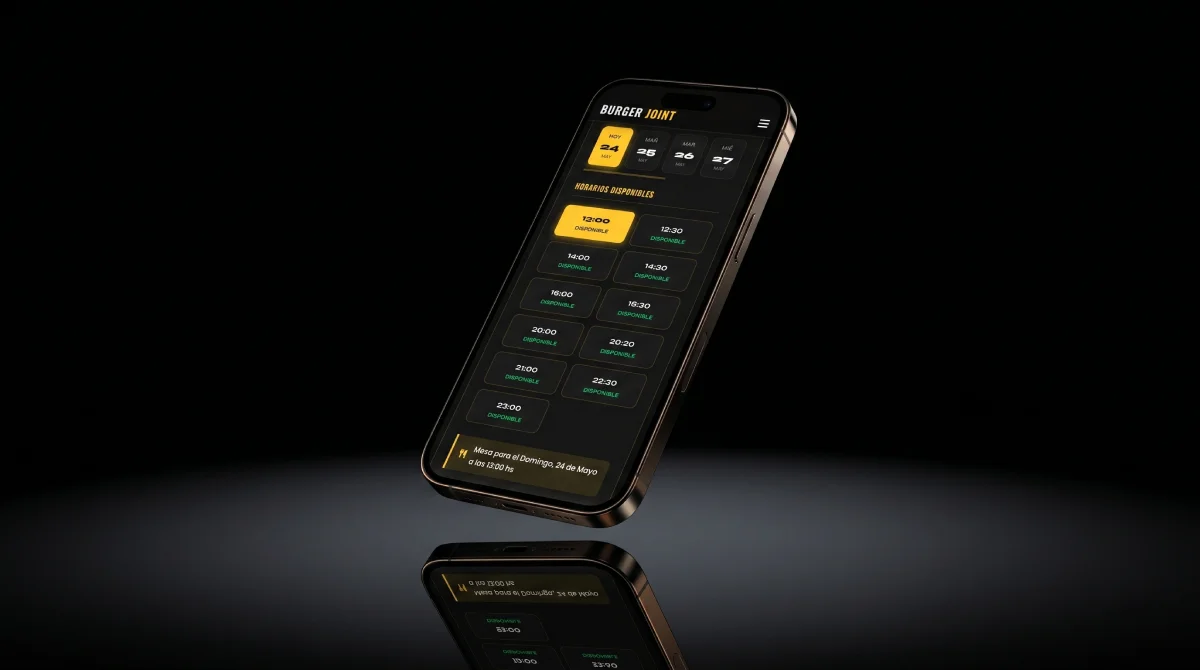
The proposition is simple and predictable: the restaurant pays a fixed monthly subscription (for example, €79/month) and gets its own booking engine integrated into its digital menu or website.
- Predictable costs: Whether you receive 50 or 5,000 bookings in a month, your technology bill at month-end is always the same.
- No per-cover commissions: The margins from weekend reservations go entirely back into the restaurant's till.
- No direct competition on your own link: When a customer visits your QueAproveche digital menu to book, they don't see competitor banners or alternative offers from the venue next door.
WhatsApp as a direct confirmation and micro-commitment channel
One of the biggest fears restaurateurs have when leaving major marketplaces is the increase in no-shows (tables that book but don't show up). Big platforms combat this by requiring credit cards or direct penalties.
Modern SaaS systems propose a more direct and less invasive approach: micro-commitment via WhatsApp.
The flow is intuitive and respects service timing:
- The customer requests their table in two clicks from the restaurant's digital menu.
- The owner or floor manager receives an instant notification in their admin panel and can approve or reject the request with a single tap from their phone.
- Upon confirmation, the system sends an automatic, personalised WhatsApp message to the customer confirming their booking.
This direct conversation on the customer's personal channel dramatically reduces no-shows: the customer feels a much stronger personal commitment when interacting directly via chat with the restaurant than when receiving a generic email from a large corporate platform.
Switch to commission-free reservations
Integrate your booking engine into your own digital menu and start receiving requests directly to your mobile panel today. 30-day free trial.
See Plans and PricingThe battle for data: Who owns the customer?
The most critical aspect of this comparison is not just the immediate savings in euros; it is the ownership of your customers' data.
When a customer books through an external platform, the ownership of that commercial relationship belongs to the platform. They hold the customer's email address, visit history and preferences. If the customer later searches for somewhere to dine, the platform can actively suggest other restaurants in your area, sending them notifications or newsletters with offers from your direct competition.
When you digitalize your own restaurant with a SaaS solution, every booking collects information that goes directly into your private database:
- Clean history: You know your regular customers by name.
- Direct marketing: You can send them loyalty campaigns or special menus for key dates (Christmas, Valentine's Day) directly and with consent.
- Business asset: A refined, segmented database increases the real value of your brand for future investors or franchisees.
Conclusion: finding the balance in the P&L
It's not about demonising acquisition platforms. They have a valuable role if your restaurant is completely unknown or located in a purely tourist transit area where you need quick volume.
However, for returning customers, organic social media traffic, and users who come directly searching for your name, using a platform that charges a commission for every cover is an unnecessary drain on commercial margin.
The migration towards flat-rate systems is a firm step toward the digital maturity of the hospitality sector: an investment that allows restaurants to regain control of their customer relationships, stabilise costs, and maximise the return on their daily effort.